Pick up two mugs from the same shelf and the difference is immediate: one throws back a hard line of window light, the other seems to hold it. That single quality — how a glaze reflects — changes far more than the look of a piece. It affects how the rim feels against your lip, how easily last night's tomato sauce comes away, whether a fork leaves a grey trail, and how the food on the plate reads to the eye. Matte and glossy glazes are both perfectly good choices for everyday tableware. They simply ask different things of you and give different things back. Here is what actually changes once the pots leave the studio and start living in your kitchen.
What the Two Finishes Really Are
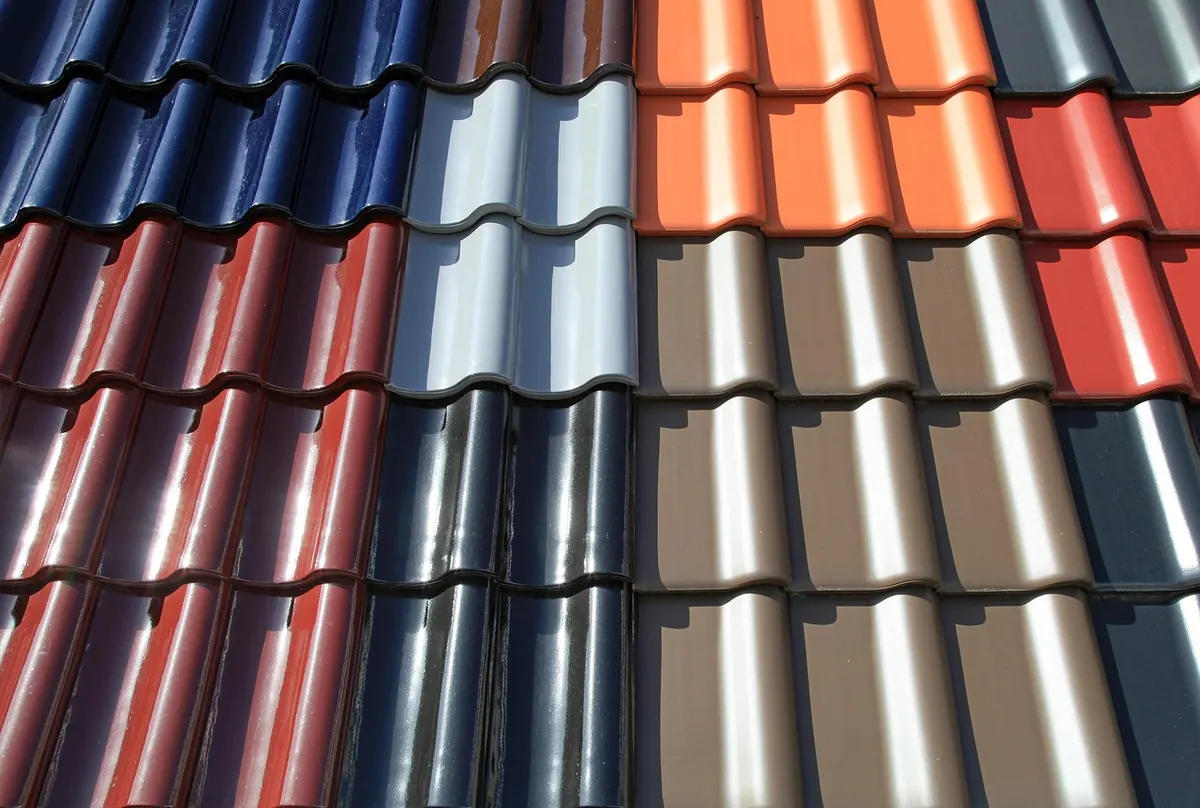
A glossy glaze fires to a smooth, glassy skin. Light bounces off it in a clean line, water beads, and the surface feels slick under a fingertip. A matte glaze is still glass — this matters, because matte is often mistaken for bare, unglazed clay — but its surface is made of microscopic crystals that scatter light in every direction instead of reflecting it. That is why it looks soft and dry rather than wet, and why it feels like the surface of an eggshell or a smooth river stone rather than a window pane.
Between the two sits satin, sometimes called semi-matte: a little sheen, a little grip. Many studios work in this middle ground because it is forgiving in the kiln and comfortable in the hand. When you are shopping, ask which one you are looking at. “Matte” is used loosely, and a chalky, powdery surface is a different thing from a well-fired matte that feels dense and cool.
A matte glaze is not an unfinished pot. It is a finished glass with a different surface.
Cleaning: Where the Difference Shows Up First
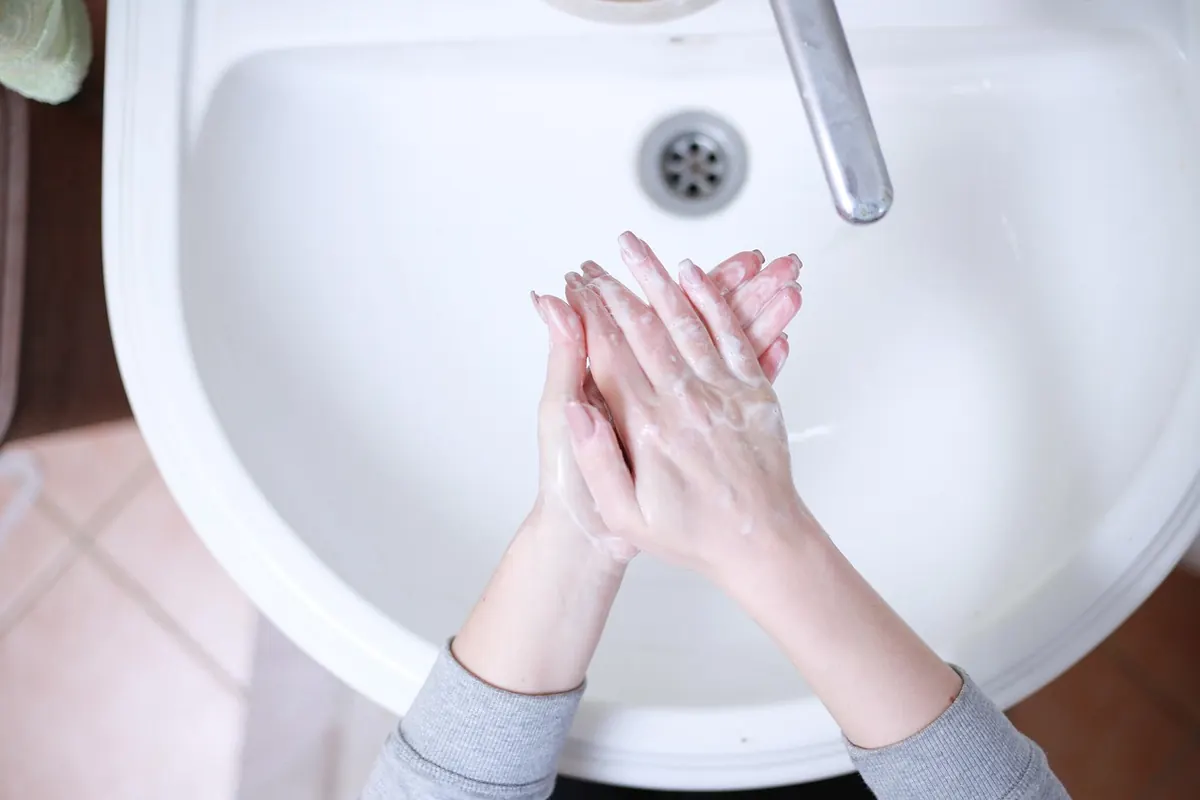
The sink is where most people form an opinion. On a glossy plate, food releases quickly. A sponge glides, sauce lifts in one pass, and the piece dries almost clear. On a matte plate the sponge has a little more drag — you can feel the texture working against you, especially around the rim — and a dried-on egg yolk or a crust of porridge will need a short soak rather than a quick swipe.
That is not a flaw, just friction. A ten-minute soak in warm water solves nearly every case, and the same rule helps both finishes: rinse before anything dries. Where the two part company is residue. Glossy surfaces show water spots, detergent film and fingerprints immediately, but wipe clean with a dry cloth in seconds. Matte surfaces hide fingerprints and water marks, yet they show grease as darker, slightly glossy patches — a thumbprint of butter on a matte plate is visible from across the table. Dishwasher performance depends on the glaze recipe, not the finish, so follow the maker's advice; if a piece is hand-wash only, that is usually about a delicate rim, gold lustre or a crackle surface rather than matte-versus-gloss.
Staining and Cutlery Marks
Pigments are the honest test. Turmeric, beetroot, tomato, coffee and red wine will all approach a pale matte surface with more determination than a glossy one. On glossy glaze, colour sits on top and lifts off. On matte, pigment can settle into the micro-texture and leave a faint shadow that fades over a few washes. It is rarely permanent, and a paste of bicarbonate of soda with a little water, left for a few minutes and rinsed, deals with most of it.
Metal marks are the other small surprise. A fork dragged across a matte plate can leave a grey line, because the softer texture picks up a trace of metal rather than resisting it. Glossy plates get them too, but less often. Either way, a mild abrasive usually removes them — test on the underside first, and go gently on glossy surfaces, since repeated scouring dulls the shine permanently.
Habits that keep both finishes looking new:
- Use a plate as a plate. Cut and carve on a board, not on the glaze.
- Stack with a felt pad, a paper napkin or a thin cork mat between pieces, especially with matte rims that grip and grind.
- Skip steel wool and scouring pads; a soft sponge and bicarbonate of soda are enough.
- Rinse tea and coffee cups promptly, or accept a slow bloom of colour inside the rim.
- Dry matte pieces with a towel if you want an even, unstreaked surface before guests arrive.
Scratch Visibility Versus Scratch Vulnerability
Here the two finishes trade places. Glossy glaze is harder and slicker, so it resists the small abrasions of daily life — but when it does scratch, the line catches the light and is easy to see. Matte glaze hides fine scratches beautifully, because there is no continuous reflection to break. What it cannot hide is polishing: the spot where a spoon is stirred every morning for two years gradually wears smoother and begins to shine. It is not damage in any structural sense. It is the record of a favourite bowl, and plenty of people like it.
If a flawless surface matters to you, choose glossy for the pieces that take the most mechanical punishment — dinner plates, serving dishes, the mug you stir vigorously. If you dislike visible wear and prefer a surface that ages quietly, matte will serve you better.
Food Safety: The Questions to Ask
Neither finish is inherently safer. Both are food-safe when the glaze is properly formulated, contains no lead or cadmium, and is fired to maturity so the surface is sealed and stable. Matte glazes are harder to get right, because the crystalline surface demands a careful firing schedule; a poorly made one can be more porous or more leachable than a glossy equivalent from the same studio.
So ask directly, and expect a clear answer: Is this glaze food-safe and lead-free? Is this piece fired to maturity for dinnerware? Is it intended for daily eating, or decorative use only? Be cautious with unmarked vintage pieces, unfamiliar imports, heavily crackled surfaces that hold liquid, and any gold or metallic decoration, which should stay out of the microwave. If you have a specific health concern, especially about an older or unlabelled piece, check with the maker or a qualified professional rather than guessing.
Visual Warmth and How the Table Feels
Matte absorbs light, and that changes the mood of a table. Colours read deeper and chalkier, edges look softer, and a stack of matte bowls feels quiet and grounded — closer to stone, linen and wood. Food sits on it calmly; a green salad or a bowl of pale grains looks natural rather than jewelled. Glossy does the opposite. It bounces light upward, intensifies colour, and makes sauces look glossy and generous. A white glossy plate reads crisp and clean; a white matte plate reads soft and warm.
There is a tactile side too. Many people prefer the slight grip of matte against a lip and find it less clattery under a spoon; others love the cool, slippery polish of gloss. Neither is more refined. Think about the room the pieces will live in: bright, hard kitchens tend to soften with matte, while dim rooms and dark tables gain life from gloss.
Choosing for Your Own Table
You do not have to pick a side. A mixed table — glossy plates for the messy weekday dinners, matte bowls for breakfast and serving — is both practical and good-looking, and it lets you learn your own preferences without committing to a full set.
If you want one simple rule: choose glossy where cleaning speed and stain resistance matter most, and choose matte where you want warmth, quiet colour and a surface that wears its history gracefully. Then handle the pieces before you buy. Run a thumb across the rim, look at the glaze under daylight rather than shop lighting, and ask the maker how the finish behaves after a year of porridge and Sunday roasts. A potter who has lived with their own work will tell you honestly.
Photo: Barni1 / Pixabay